



Is Sugar Added to Freeze-Dried Fruits? What You Should Know
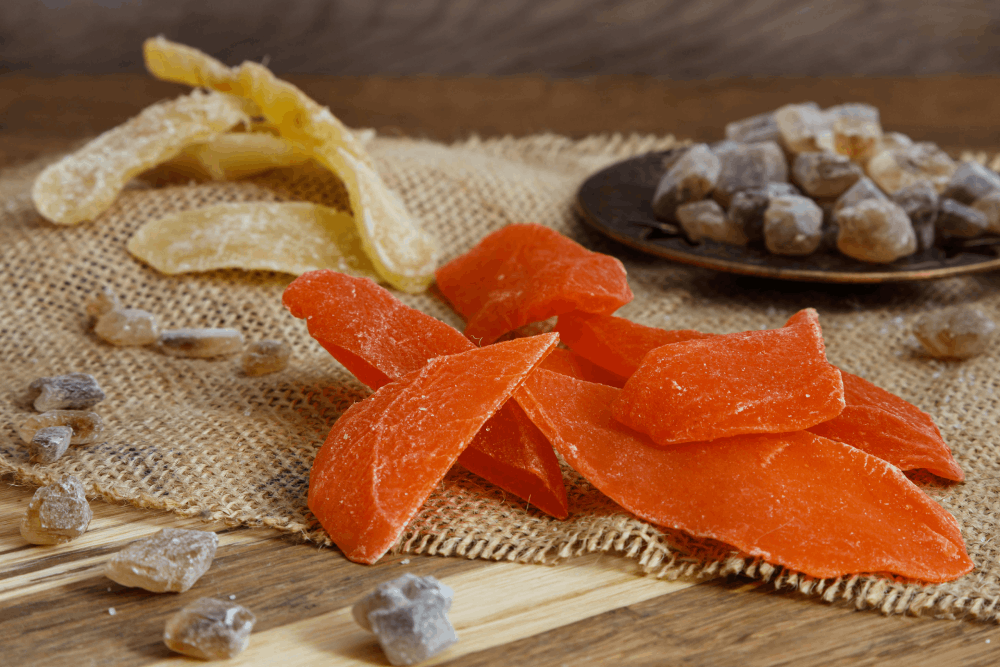
Freeze-dried fruit is popular with people who want shelf-stable food that still keeps much of the taste and character of fresh produce. Many shoppers see freeze-dried fruit as a simple snack option, though questions often come up about ingredients and sugar content. Some products contain fruit alone, while others may include sweeteners or flavor additions. This article explains how freeze drying works, whether sugar is added, how to read labels, and what to know before making a purchase.
How freeze-drying affects fruit and sugar content
Freeze-drying removes water from food at low temperatures, helping fruit retain much of its original taste, shape, and nutritional profile. Since water leaves the product, the natural sugars already present in fruit become more concentrated, intensifying the flavor.
People sometimes assume freeze-dried fruit contains added sugar since it often tastes sweeter than fresh fruit. That sweetness usually comes from the fruit itself rather than extra ingredients.
Shelf-stable foods come in many forms beyond fruit. Products like freeze dried oatmeal use freeze-drying to help preserve food while keeping preparation simple.
A plain freeze-dried strawberry, apple slice, or banana chip made only from fruit starts with the fruit’s original sugar content. Water removal creates a stronger flavor experience, which can make sweetness seem higher even when nothing extra is added to the recipe.
Are sugars added to freeze-dried fruits?
Not all freeze-dried fruit products follow the same recipe.
Some freeze-dried fruit contains only one ingredient: fruit. These products often list items like:
- Strawberries
- Blueberries
- Mangoes
- Apples
- Bananas
When ingredient labels show fruit only, the sweetness comes naturally from the produce.
Other products may contain sweeteners, syrups, coatings, or flavor blends. Manufacturers sometimes add ingredients to create dessert-style snacks or candy-like products. Yogurt-covered freeze-dried fruit or flavored fruit bites may contain added sugar.
Reading the ingredient list gives the clearest answer.
Terms that may point to added sweeteners include:
- Cane sugar
- Corn syrup
- Fruit juice concentrate
- Honey
- Dextrose
- Syrup blends
A nutrition label can also provide useful information. Added sugar often appears separately from total sugar on modern food packaging.
Why freeze-dried fruit can taste sweeter than fresh fruit
Fresh fruit contains water that softens the sweetness as it is eaten. Freeze-dried fruit removes most moisture, leaving concentrated flavor behind.
A handful of freeze-dried strawberries may seem sweeter than fresh strawberries, even though sugar levels stay similar from the original fruit source.
Texture also plays a role. Freeze-dried fruit often feels crisp and airy. Faster flavor release can create the impression of extra sweetness.
Portion size matters as well. People may eat freeze-dried fruit more quickly than fresh fruit since volume shrinks during water removal. Eating larger amounts can increase sugar intake even without added sweeteners.
For example, one cup of fresh strawberries contains a large amount of water. Freeze dried strawberries pack similar fruit content into a much smaller serving. This concentration can affect how sweet a food tastes when eaten.
How to identify freeze-dried fruit without added sugar
Food packaging provides important details if sugar intake matters to you.
Start with the ingredient panel. Products with one ingredient often offer the simplest option.
Look closely at nutrition facts and serving sizes. Freeze-dried foods can appear light and small, making portions easy to underestimate.
Consider these label-reading habits:
Check ingredient order
Ingredients appear from highest quantity to lowest quantity. Sugar near the beginning often signals heavier sweetener use.
Look for added sugar information
Many labels now separate naturally occurring sugars from added sugars. This section can provide a faster answer while shopping.
Watch flavored products carefully
Chocolate-coated fruit, yogurt-covered snacks, fruit desserts, and seasoned fruit products may contain sweeteners.
Compare brands
Two freeze-dried mango products may look nearly identical while containing very different ingredient profiles.
Simple label reading habits help shoppers avoid surprises.
Does freeze-dried fruit still fit into a balanced eating plan?
Freeze-dried fruit can work well in many eating styles when portion awareness and ingredient choices are part of the decision-making process.
Plain freeze-dried fruit provides fruit flavor without refrigeration, making it useful for travel, outdoor activities, lunch boxes, and emergency food storage.
Natural sugar still counts toward total daily intake. Fruit contains carbohydrates whether eaten fresh, dried, or freeze-dried.
Pairing freeze-dried fruit with protein-rich or healthy-fat foods may help make a more filling snack. Nuts, seeds, oats, or plain yogurt are common examples.
Variety also matters. Fresh fruit, frozen fruit, freeze-dried products, and other whole foods can each serve a place in food choices.
Ingredient quality remains one of the strongest factors when selecting freeze-dried products.
What matters most when buying freeze-dried fruit
Freeze-dried fruit does not automatically contain added sugar. Many products rely entirely on the fruit's natural sweetness.
Taste concentration from water removal often causes confusion. A stronger flavor does not necessarily mean that sweeteners were added to the recipe.
Ingredient labels offer the most reliable answer. A quick review of the packaging can reveal whether the fruit stands alone or is paired with sugar sources and flavorings.
Shoppers who understand label details can make informed choices that fit their food preferences while enjoying the convenience freeze-dried products provide.